
Want full access to our 'Educator and Student Wellbeing' content?
Wondering how we could help with teaching at your institution? Let's have a conversation
Educator and Student Wellbeing
Student wellbeing and faculty wellbeing are often treated as separate concerns, but they are closely connected: for our students to be well, they need us to be well. Teaching can be deeply rewarding, but it is also demanding work, and without boundaries, that care can turn into burnout. In this section, we explore practical strategies for looking after your own wellbeing and making intentional choices about where you spend your energy. We consider how emotional intelligence can strengthen our relationships with students and help us navigate the emotional demands of teaching, and how trauma-informed pedagogy can support students’ humanity while keeping the focus on learning. We also introduce meditations and stress-relief strategies to help you manage the pressures of academic life. However, individual strategies are only part of the picture: faculty wellbeing cannot rest solely on individual responsibility. Faculty wellbeing requires institutions to recognise, support and reward the work educators do.
Strategies for Educator Wellness and Burnout Mitigation
Despite performing heroic teaching acts every day, teachers are not superhuman. If we don’t proactively build in wellness practices, including showing compassion to ourselves, and strategically setting boundaries around our responsibilities, we can quickly find our energy zapped and our reserves emptied. Therefore, as educators, it’s important to prioritise our own wellness, in order to support the wellbeing of our students.
Get started

Fostering Emotional Intelligence
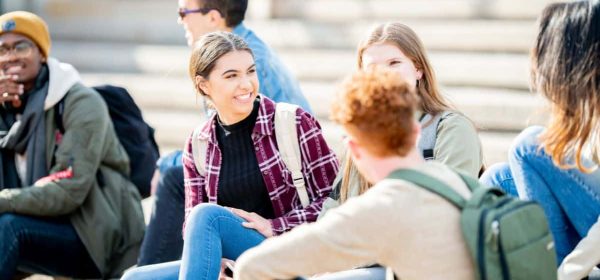
Emotions can become powerful tools for effective learning. Emotions can enhance connections to content, influence student persistence, and encourage engagement with content. What’s more, emotions can enhance connection and create opportunities for community-building. For a specific example of the power of emotion, check out our webinar recording on promoting growth-minded students, to learn how to maximise the potential of perseverance and positivity.
Get started



Trauma-Informed Pedagogy
Modern students – and educators – bring with them histories and lived experiences that can impact their learning. When we proactively recognise our shared humanity, we create pedagogical possibilities. How do we take on such a big task, in manageable and meaningful ways? Try starting with the ‘Trauma-Informed Pedagogy & How Is Your Heart?’ video discussion and then check out Karen Costa’s Trauma Aware Teaching Checklist.
Get started



Mindful Moments: Meditations and Stress-Relief Practices
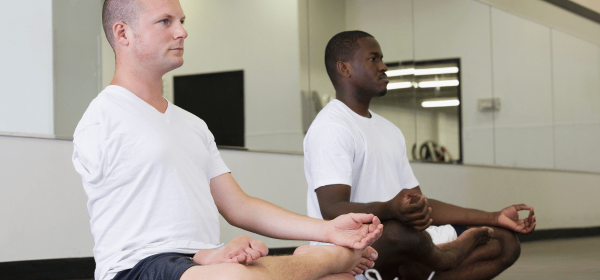
One way that we can promote our own well-being, and that of our students, is to engage in practices that focus on the holistic human—not just the teacher and learner. Sometimes, it might help to take a break, to check in with ourselves. Other times, we might benefit from building boundaries. Giving ourselves the time and space to support these practices, and implement these intentions, helps us heal the body and mind, with the added benefit of enhancing our pedagogy.