

Peer Observation in Teaching: How to Get Started and Why It Matters

Alexandra Mihai
Click here to view the video transcript
– Hello, I’m Alexandra Mihai, and I’m an assistant professor at Maastricht University in the Netherlands. Today I would like to talk to you about peer observation in teaching, a process that we often don’t make enough time to engage with and also are not really supported always by our institutions. Peer review is very common practice in the research world. It is even formally labeled as a mark of quality assurance in terms of academic publishing. However, in the other half or the other part of our academic life, teaching, peer observation is not a mainstream practice. Still, personally, I feel like I learn the best when I watch, when I observe my colleagues teach. Peer observation can fulfill two types of purposes.
First of all, we have the formative, the developmental purpose. Here, the mutual observation plays an important role in learning and developing as teachers. Feedback and reflection are at the center of the process, and there is no judgment involved nor any implications on career progression. The second type of purpose is that of summative, evaluative purpose. Observation here is one of the methods used to assess teacher’s performance, and it also has implications on the appraisal process. Of course, the purpose of the observation has a big impact on how it is perceived by teachers and, of course, on how we engage with it. In my view, the true value of peer observation is its developmental purpose. Now, let’s move on to some main steps to take if you’d like to start observing colleagues formally or informally.
There are three main steps. So we have first, what happens before the observation, what happens during the observation, and then of course the process doesn’t end there, what do we need to do after the observation? First of all, before the observation. Well, there are two options here. Either the process is formalised at your institution and then you get assigned a colleague, a peer to observe each other, or you do that by yourself, you look for a colleague. Either way, start by having a chat with a colleague. Talk about your learning goals, about the challenges you have, and provide each other a bit of context about the courses to be observed. The important part of this first step is to set some goals for the observation and to agree, of course, on a suitable schedule, because that’s sometimes a challenge for us as well. Now, once that is all out of the way, you can go on and do the observations, mutual observations.
So what do you do during the observation? Of course, you sit in the classroom of each other’s sessions and you can do it, yeah, in different ways. So you either get a form, sometimes you do get a form from the institution if that’s a more formalised procedure with some questions to answer, some reflection prompts and so on. If that is not the case, you can also create your own reflection prompts and questions, and this could range according to your interest and, of course, according to the goals that you set together with your colleague. Some of those questions could be, how do students engage with the learning activities? Does the teacher do anything to encourage shyer students or to make sure that all students contribute? If they’re struggling with a certain aspect of class, what would you advise your colleague? Really, the questions have to be very much linked to the goals that you and your colleagues set for the observation process. One more thing here, don’t worry if you’re not a specialist on the topic. I’ve seen many colleagues feeling a little bit shy about observing a colleague from a totally different discipline. I truly encourage that. The idea here is to focus on the teaching, and sometimes you can do this better the more remote you are from the topic being taught. And the third step, after the observation.
So first of all, don’t let too much time pass between doing the observation and this step because you can forget a lot of things that happen in classroom. So, sit down over coffee or lunch with your colleague, have a relaxed chat and try to share your reflections on the observation process. What have you learned? What are you planning to implement in the next iteration of your course? What are three things you could recommend to your colleague? What is a professional development goal that you can set for yourself following the observation? These are all possible questions and reflections for the after observation chat. Now, of course, there is no one way of doing things right, like with most teaching things. So, what I will try to give you here are some tips coming from my own experience and the experience of the teachers I’ve been working with as a faculty developer. So first of all, if you have the choice, don’t hesitate to look for peers in other disciplines to observe. As I said before, you might initially feel a bit out of depth, but the end result will be worth it and it will be very enriching for both of you.
And the second tip would be to really remember that one of the most important things for the observation to work is creating a non-threatening environment, atmosphere, based on mutual trust and respect. And also try to always maintain collegial attitude throughout the observation. Don’t forget constructive feedback. And remember, this is a learning experience for both of you. Of course, it’s very important, as I already mentioned, to set clear expectations and to be transparent about the goals from the beginning. Having everyone on the same page from the very beginning ensures that we all make the most of this process. So try to be as precise regarding your own needs and what you expect from the colleague observing you as well as the other way around.
Now, another very important point, try to explain to students what you are doing. This can be a little bit sensitive and you might feel a bit awkward bringing someone to sit in the back of your classroom, but try to be upfront about it and explain to students that this is part of a professional development endeavor. And I believe that if the students see we are still learning, we can also help them develop a lifelong learning mentality and attitude. Well, fingers crossed at least. Last point, and this is also a little bit of a conclusion, if you started doing these observations and maybe you start liking it, why not make it a habit? Why do it just once? This is not a one-off thing. As much time as we can dedicate to this, I think we should, and I think we should see it as a continuous opportunity to learn and grow. If your institution does not have a formal process for peer observation, well, you can do it informally. You can talk to colleagues, you can check your agendas and give it a go. Good luck, and I hope you found these tips useful. Thank you.
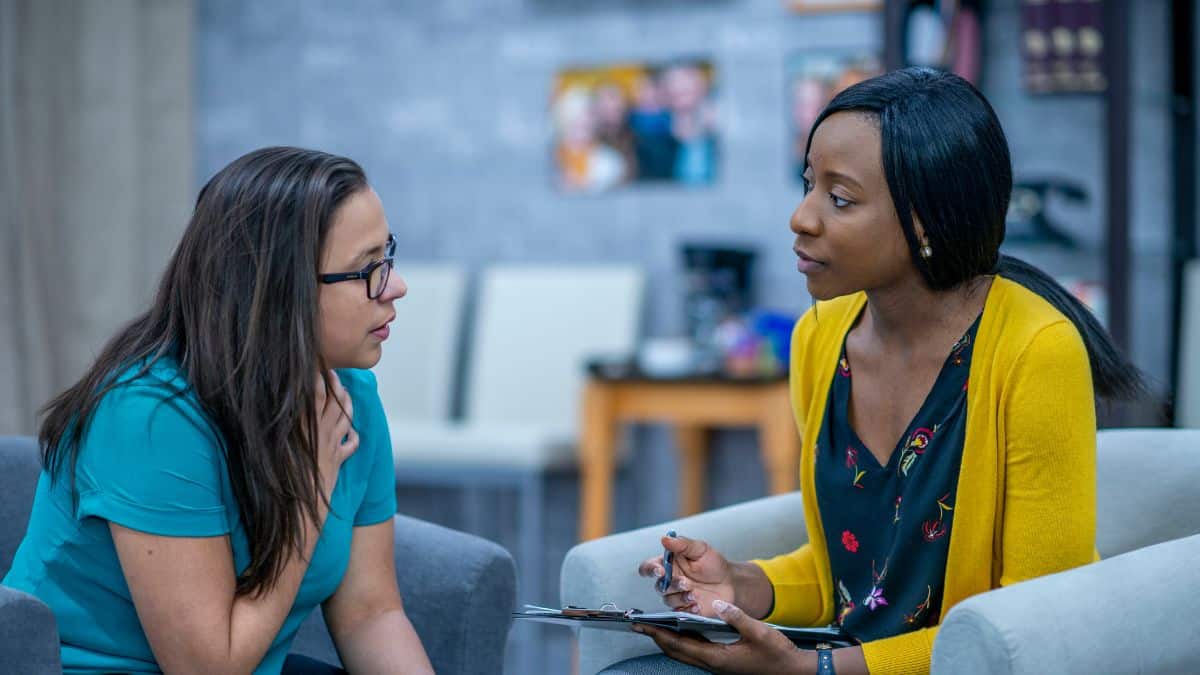
Peer observation of teaching is a supportive process where colleagues watch each other teach and share feedback. A peer can be anyone – from another department, a new teacher, or someone in leadership. It’s a two-way process that helps both the observer and the teacher grow and improve your teaching. In this video Alexandra Mihai, Assistant Professor of Innovation in Higher Education, Maastricht University, Netherlands, explains how peer observation can help you improve your teaching and how to get started with it.
Useful resources:
- Peer observation templates – Sample templates for forms to use before, during, and after observations (download as Word doc, 130KB).
- Watch & learn: Reflections on peer observation in teaching – blogpost by Alexandra with link to practical guides and academic articles (link opens in a new tab).
- Guide to Peer Observation of Teaching, Institute for Academic Development (University of Edinburg, UK) – a guide with sample pre-observation form, observation form and post observation form (PDF, opens in a new tab).
- Reflecting on Teaching with Appreciative Teaching Squares – OneHE Course (open in a new tab).
DISCUSSION
Have you ever participated in peer observation? If so, what did you learn from the experience? If not, how might you introduce it in your teaching practice?
Please share your thoughts in the comments section below.