

What’s Burning Out Faculty? An Evidence-Based Approach to Faculty Wellbeing
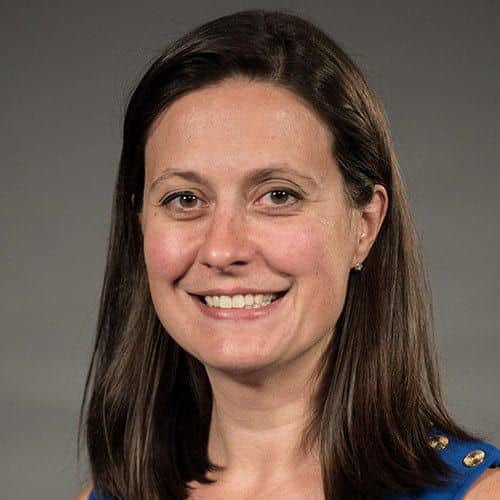
Andrea Aebersold
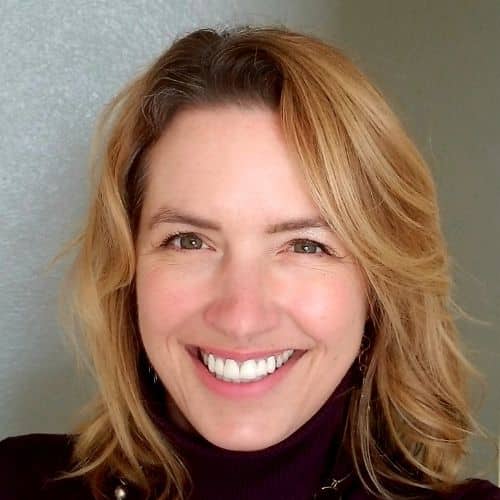
Joy Crissey Honea

Click here to open or close the video transcript
– Yeah, thank you so much for having us and thank you everyone for joining today. We’re looking forward to discussing this topic with you. Just kinda an overview of what we’re gonna do before we introduce ourselves. We’re gonna be talking about a project we’ve done at our campus to address faculty wellbeing and burnout, taking this evidence-based approach. So, we’re gonna talk about what we did and what we learned, and kind of the solutions we’ve been working on, as well as some recommendations for people who are interested in doing a similar project. So, we hope that you maybe get some inspiration of how this might look at your campus. So, it’s not meant to be like an exact roadmap. This was kind of what worked for our campus, but we hope it gives you some ideas about what could work for you. So, my name is Andrea Aebersold and I’m the Executive Director of the Center for Teaching and Learning at Montana State University in Billings. And I’ll turn it over to Joy to introduce herself.
– Okay, thank you, and welcome everyone. My name is Joy Honea. I am professor of sociology at Montana State University Billings, and my area of specialization is medical sociology and specifically the sociology of mental health and mental illness. So, this is near and dear to me. I also happen to be our faculty union president, which you will learn came in kind of handy in our work, so to be continued on that. So, we’re actually gonna start with some interaction. We wanna hear from you first, get some feedback. So, we’d like to know what kinds of conversations are going on related to faculty wellbeing or faculty burnout, the other side of that on your own campuses. So, please put those in the chat so we can see what’s going on. And before that’ll help orient us to today’s discussion. Oh, great. Leading a pedagogical wellness learning committee community. Oh, that’s great. Ah-huh, oh yeah. Small tasks.
– Mm. Yeah.
– Even when there’s options. Yeah, burned out, exhausted, overwhelmed. Yeah. Yes, AI and burnout. Oh yeah, sometimes it seems like a case of PTSD. Yeah, resources. Yeah. Great. Excellent. So, we’ll let people continue to put those in there. It’s a great repository for us, but it looks like a wide range from no conversations, to everybody suffering, to we’re doing some pretty targeted interventions, so we hope you’ll find this helpful.
– Okay, so, I’m gonna give just kinda a quick overview of how we started this project. We wanted to come at this with some actual data. Like many of you knew that faculty were talking about burnout, feeling really overwhelmed. You’re seeing articles in like the Chronicle for Higher Education, et cetera. So, we decided to take a research approach to this. So, we had the two questions of what percentage of faculty report feeling burned out. Instead of trying to guess, let’s actually try to gauge this, and what do they cite as factors in their burnout? There’s literature that we could probably guess aligned with what we would find, but we really wanted to know for our campus what were faculty feeling? So, we put together this project of a multi-year study to measure those levels in the leading causes, and then we wanted to recommend evidence-based institutional changes to support wellbeing. We felt very strongly that a lot of the wellbeing conversations that we were hearing from other institutions or kind of seeing at the national level in the US really focused on this individual self-care. This idea of setting boundaries, saying no, taking time away from work, work-life balance kind of thing. And we were concerned that there wasn’t conversations about how the institution might be contributing to these levels of burnout. And so what could that type of change in support for wellbeing look like? We wanted to, as the CTL director, I wanted to think about how we could incorporate faculty wellbeing into our programming and support. And then we wanted to be able to assess the impact of the changes we were making. Were they working? Are we moving the needle at all on these things?
– So, this has been a multi-year project and I’ll walk you through the phases of the research. We started in the fall of 2023. At the time I was a faculty co-director at our center for Teaching and learning, and we began with some focus groups, and Andrea’s gonna talk a little bit about those themes, but focus groups to get some qualitative information and use that to build a survey of all faculty, which we administered at the end of November in 2023. And then as a result of, based on our findings in the survey, we conducted a second round of focus groups in the spring of 2024. So, during that summer and into the next academic year, we continued our data analysis. We had some additional help for some higher level data analysis, statistical analysis, and worked on a list of recommendations for our administration for institutional changes that could be made. One of the things that came up, and we’ll talk more about this and the results, but was inequity in workloads across faculty. And so in the spring of 2025, we conducted interviews with department chairs that seemed to be a particular pinch point about their workload and looked at some inequities there. Then we got really excited and we thought, “This is great stuff “and we just need some funding support to keep this going.” And we wrote, submitted, and received an NSF Advanced Catalyst grant for 2025 through 2027. Unfortunately, was basically immediately canceled by executive order in one of the first actions of the federal administration here. So, we had to go back to the drawing board and think about how we might support this work and continue it. We are doing that and we’ll talk about this in the results, but we made some recommendations for improving the faculty evaluation process. And so this spring we are conducting interviews with faculty who went through the old process, and are now for the first time this year going through the new process. So, that’s where we stand now. That’s kind of the 30,000 foot view.
– Okay, so just real quickly to give you a sense of what we did with the focus groups. So this was me and then Joy, and our other faculty co-director went through kinda the literature on faculty burnout and overwhelm, and picked some common themes that not only appear in the literature, but we hear from faculty and split it into these four sessions. We had IRB, so faculty knew that we were using this as part of a research project. So, four sessions and each one had a different one of these themes where we could try to gather more data to help us build a survey that was reflected more of our campus versus the literature. And they were very much aligned, but still we felt like it was a great starting point to hear from the faculty, identify common themes, and use that to build the survey. And one of the first findings I wanna share, and why it speaks to taking an evidence-based approach is that we were shocked by the fact that one of the questions asked faculty about this statement: “Interacting with students “is one of the best parts of my job.” “Strongly agree,” “agree,” and so on, and 96% of our faculty either strongly agreed or someone agreed with that statement, and we had over a 50% response rate to our survey. So, this was a really strong data point which we weren’t expecting because in the focus groups, students, AI, all that stuff came up so much about how students have these unrealistic expectations about how quickly faculty should respond. They’re using AI to cheat. And so we absolutely expected students to be a source of burnout and they were not. And we even did our follow up focus groups in the spring to see, like, is this really what we’re seeing? And what came out was so helpful is that they said, students are not the source of my burnout. They’re absolutely a source of frustration, but they are not my source of burnout. They’re why I’m here. I wish I had more time to work on my teaching and to work with students, and so having a data point for that was not only great for us, but also for that narrative of faculty burnout on our campus, that campus leadership, and show them that burnout is coming from the other things that Joy is about to share, but they very much enjoy our students. And even though you may hear them complain about these things, that actually isn’t what they’re burned out on. They’re frustrated by it, but they’re not burned out on that.
– Great, so this is a lot. Fair warning, the next couple of slides are pretty text heavy ’cause they’re all of our findings, but just to summarize: burnout and emotional exhaustion definitely are a problem on our campus. So, we had more than half agree that they regularly feel overwhelmed or burned out. Interestingly, this was highest among tenured faculty, so we’ll come back to that. Also, high levels of emotional exhaustion, and again 84% of tenured faculties reported feeling emotionally exhausted. And then we started getting a little bit in more into the weeds, what’s going on? What are the sources of this? And we found that our respondents really felt like the other parts of their job were taking up so much time and energy that they really did not have enough time to work on their own research or scholarship, and you can see there 100% of tenured faculty and nearly 100% of tenure line faculty agreed that they would like to have more time for their research. And we can perhaps talk about this, but that’s not totally surprising given that that’s what’ll make or break your tenure and your promotion. So, faculty also regularly feel like they have to prove that they’re doing a good job. That came up pretty strongly. And also, and this one will come back up as a theme, really people felt like they were burned out because they were the only person to do their job. They could not take time away for leave, for family, certainly not for sabbatical because nearly two-thirds said that there was basically no one else to take over their work for them if they were not there, and so that’s a lot of pressure. And then we can talk some about our qualitative findings. So, this came out of, we built this second set of focus groups to get at the reasons why and the sources for some of the data we saw in the survey. And we found really three primary themes that came out in those. The responsibility creep, as you might imagine, there’s other stuff going on that interferes with what they like doing, which is their teaching and research. So, especially service loads, understaffing and turnover. The lack of staff, both faculty and staff. So, lots of faculty teaching overloads, having to take on additional courses, and then turnover and understaffing in assistive offices meant that there were new people who weren’t necessarily trained or no one filling a position and people were feeling like they had to do more jobs than just their own. And then that part I alluded to earlier, there was a real lack of clarity in the evaluation process that causes a lot of anxiety. So, people felt like there were unwritten rules that the guidance for what you need to earn tenure, for example, was a moving target. And again, you don’t have time for the scholarship, but that’s what will make it or break it in terms of your tenure. So, to sort of-this is very hard for me to not get into the weeds, but I’m doing my best here to just give you some high level summaries. But the conclusions really that these factors led to low morale and faculty disillusionment. And I will read these quotes for you because I think they really encapsulate what we found. It feels like there are always little fires everywhere. So, people feeling like they could never get their head above water. You always have to be fighting over scarce resources. I sometimes have fantasies of never, ever coming back to work. So, these are serious concerns among the faculty at MSU Billings, and what we found is that with the solutions were not about try to achieve more work-life balance, take care of yourself, go to yoga, et cetera, but really we needed institutional changes to support our faculty. So, this last quote was on this survey, but we had an open text box that was sort of like, if reality was no limit, if you could have anything you want, what would you want? And one respondent wrote, what I would really like in a nutshell is just more time to work on my own projects, and not that of the department or the university. More time with my family, and time to take care of my own basic needs such as exercise, eating well and getting enough sleep. I don’t need more education on these things, I just need the time to take care of them. So, what did we do? So, our campus plan, as it developed, there’s two lists here. One is the list that faculty gave us primarily through, we had a ranking system in the survey, but these also came out in the focus groups. And then we, based on all of the findings together, the research team made some recommendations to the university. So, the top list, and you’ll see there’s overlap here. The top list was “hire more faculty” that has been communicated to the administration. Equalize the service load, and have fewer committees and fewer meetings. I’m sure lots of people are nodding along in the background there. Hire and retain competent staff. Offer more opportunities for course releases for research, and clarify faculty duties and expectations of performance. I will point out that there is a green check mark, but I offer more opportunities for course release for research. We brought these findings to the administration and like I said, it would come in handy that I’m the faculty union president, and serve on the bargaining team for our contract. And we did in our latest collective bargaining agreement add language that allows faculty to get additional release time for especially heavy research loads and or service loads. So, that was a success, and then in terms of the research team, we kind of distilled this down to some actionable things. So, leadership training for chairs and deans to better support their faculty, developing clear processes and expectations for faculty evaluation, a campus audit of service duties, and then more faculty to relieve overload, teaching specifically the creation of a qualified adjunct pool. So, I am pleased to report that we did an entire audit of the annual faculty evaluation process, rubrics, multiple levels of review, revisions, approvals and so forth. That happened over a course of really a year and a half. And this year is the first year of the new standards and new requirements. So, I don’t have the data, but that’s what we’re, those are the interviews we’re conducting now. And then currently our faculty senate is in the process of conducting an audit of service duties across campus. So, we have made some progress so far, but as you can see from the list, there’s quite a bit left to do. So, I will turn it back over to Andrea for a bit.
– Yeah, and I’ll just add, if you’re wondering like how did you get those things done? Like, this was definitely partnerships with-
– Yes.
– Right. Our provost was very supportive of this work and that, I mean, was kind of the linchpin of all of this. And then Joy being on the union and also connections with academic senate, and with the different committees that review faculty evaluations for example, like this was a lot of people that working together wasn’t just us declaring, and then it happened. Like, a lot of work with different folks.
– It was not magical.
– It was not magical and it’s slow. We’ve gotten a few things done but I believe hit some roadblocks and had some changes. But we’re glad that we’ve able to do a few things, especially after we lost our grant. That was kind of a major blow that slowed some things down. So, Dasha, if you could activate, we’re gonna do a kind of a Zoom poll here. Like, as you’re thinking about your campus, your institution, what could be done maybe if you did a similar initiative, like how confident are you feeling at this moment that something, any pieces of wellbeing stuff could be implemented? Just take a few seconds and let people share their response and we’ll see where we’re at. Alright, so yeah, let’s see what the results are. Okay, so “not very confident” was the winner. What I would expect followed by “somewhat confident,” and then that we have a tie between very confident and no confidence. So, yeah, that doesn’t surprise me. Thank you Dasha for sharing that. It’s a lot of work and a lot of these are really big problems. Like, it’s much easier to say, okay, let’s just offer a workshop on setting boundaries and then, or just these smaller steps that are easy, but the big stuff is a lot harder and takes a lot of collaboration, a lot of work with different people at the institution and not everyone is gonna be on board with that kind of stuff. Just in the chat: could be implemented if I wasn’t so burned out. Exactly like the emphasis on then more work for you to try and get everyone’s wellbeing in check. So, okay, thanks for participating in that poll everybody. So, I’m gonna talk a little bit about kind of the approach to solutions and taking action. Like I said with the example with the students not being a cause of burnout, don’t assume levels or causes of burnout try to get some data. So, whether it be focus groups, it doesn’t have to be- we’re a smaller campus so it’s easier for us to do a campus wide survey of faculty and the provost was backing that survey so that made it easy to do. So, if that isn’t something that feels attainable at your institution, even just some opportunities for faculty to get together with you, your office or any places on campus where they can start talking about these things. I think a lot of what we hear, and I heard this a lot especially during the pandemic, was it’s nice to just know I’m not alone. Like, a lot of times people start to feel like they’re burned out and it’s like a fail, an individual failing on their part. I’m burned out because I can’t handle this. Like, what’s wrong with me? I’m not smart enough. Everyone else seems to be doing well, why am I not? And then when they get in a room with other faculty and can hear that they share those feelings, that alone can just kind of be a moment of relief like, well, okay, at least it’s not just me. Maybe it isn’t like a personal failing at this point. So, and then having that data to also share with the faculty can be really interesting. People can comment or see the similarities in what they want, and what other people are asking for. As I mentioned, partnerships were really, really important. So, identifying and leveraging different partnerships. So, we also were talking with HR, we wanted to do it, this was part of the grant and kind of fell off because we don’t have the people resources. But we wanted to start really collecting data on faculty retention, and looking at exit interviews, and why faculty were choosing to leave. Our campus wasn’t tracking that. We had kind of like some messy files on exit interviews, but that information wasn’t going anywhere. So, hope that we could start doing that, but that could be another possible thing for you to look at. If turnover is being cited as an issue, maybe start thinking about why is that? What data can we start to gather there to look at. I think it can also be hard when you’re making these plans to think about the measuring its impact. It can get carried away with all the ideas we have or the things that we wanna do, and then just kind of a cross your fingers and hope that works. Or just sometimes say, okay, we did that great, like, now we know we’re addressing wellbeing but you may not know if it worked well. And so that’s kind of the point where we’re gonna start moving forward is deploy the survey again to see if anything has changed. Joy and some of her colleagues are gonna look at the changes, post changes that we’ve made to the faculty evaluation system and how faculty feel going through it this time versus one of the older versions. Were there any improvements? Do they feel that it was more clear or not? So, that we can actually see if what we put in place made a difference or not. So, don’t just stop at the actual action but also the measurement of the impact. And for me as a CTL director, it helped shape the way I could envision my role and see it as a bigger role as an advocate for faculty kind of working behind the scenes. The quote that Joy shared earlier from the faculty member who said, “I don’t need more education on these things. “I just need the institutional support “and time to do them,” was a really important quote for me to take because we had planned and been doing kind of some workshops or events to talk about self-care, and those were fine, but it really made me stop and think about the bigger picture stuff. How could I work behind the scenes to help and advocate for faculty from the Center for Teaching and Learning. And some of you might be thinking, well, isn’t that kind of outside of your scope? It’s kind of a stay in your lane. Why are you addressing that as the CTL? And I think our data also helped show why this was a teaching and learning problem because we had a few faculty in the focus groups talk about how their service overload or having to do the work of three people was taking them away from their teaching and their students. And so that then does become a teaching and learning issue. And so how can the CTL use that data to help talk to administrators, other leaders on campus to try and address some of the things that faculty were bringing up? I’m also a Center for Teaching and Learning that does cover some professional development side of things as well. So, that helps that I have a broader scope than some other places, but just to address that whole where people might be like, oh, kind of stay in your lane, let other people do that kind of work. Like, this really should be kind of everybody’s work, but I argue that the teaching and learning when it’s faculty are feeling that it impacts ’em in those areas, and it’s definitely an area that you can take action on. So, last chance to participate here. If you were to do this work kind of brainstorming now we’re gonna talk about trying to make your own plan. Who would be good to partner with at your institution? Just any thinking outside the box even, who would be- think about not only leadership but faculty leadership, but like I said, library directors or HR or we have a wellness kind of committee on campus that we worked with. So, if you could drop in the chat just ideas about who would be a good partner at your institution and might give other people ideas about what could work for them. Campus health. Yes, thank you. We were talking to them. We had a larger kind of campus initiative that we were working on that was a kind of the wellbeing of everyone. Faculty, students and staff, and campus health was a major player in that initiative. VP of faculty affairs. Yes, definitely. We don’t have that position in our campus. We’re too small, but that would be kind the role the provost played for us. Faculty senate definitely would. Huge player for us. Senate associate deans. Yeah, part of our advanced grant. We had like a committee, an advisory board that we’d put together, and it was different leaders, deans, and then faculty leaders as well so that we could be sure we were kind of hitting all these different areas.
– I’ll just add, I was just thinking about this since you and I were talking about this recently Andrea, that you can also think outside your individual campus if you are part of a system, a statewide system.
– [Andrea] Yeah.
– So, I just learned about some great work that’s going on in our system office and talk to a contact there who thought perhaps some resources could come our way to support campus level action as well. So, that’s encouraging.
– Yeah, exactly. It was nice. We had support, yeah. We’re part of the Montana University system, and so having leadership that serves kind of the oversight of all the universities in the state. It was great to have these conversations with them, and it has actually had an impact. Like, our university system just released a kinda mental health and wellbeing initiative for the university system, and it does look at students, faculty and staff, and so I was really happy to see that because often these initiatives focus on the student wellbeing, which is super important, but I very much subscribed to this kind of, if everyone’s doing well, we’re all doing well.” And so it’s exciting to see the Montana University system addressing this.
– Yeah, that seemed to be sort of a new realization to them with these most recent data. Oh, it turns out if we want the students to be healthy, we should probably focus on the faculty and staff too.
– Yeah, exactly. Okay, so thinking about some action planning and some takeaway for you and we also, if you wanna put it in the chat, Dasha, we made a Google doc that you can take with you. Download and use kinda a template based on this slide of get some notes down either from this webinar or ideas that you’ve been thinking or it could be a conversation starter with your own team or other people at your institution. There’s a lot-it’s really easy to get hung up on the obstacles. There’s a lot of obstacles in this work and we’re talking about pretty major like cultural shifts as well as policy changes, and that can feel a little bit daunting. So, if you’re thinking about what’s currently being done or not currently being done, what would you need to start or continue this work? So, we already talked about campus partners, hopefully, you have some thoughts there. Buy-in from which leaders- super important on how you get that buy-in too. They’re not always gonna be on board. You might get answers of like, well we know faculty are burned out, why would we need to collect data on that? And hopefully our example shows exactly why you should be collecting data on that. You can’t always guess, and you don’t always know the exact causes and what you can do about them. Also just pitching this as this is a faculty retention type of work. Like, we want people to stay. We want them to do well, and so knowing more about where they’re feeling successful and where they’re feeling like there’s challenges is definitely part of that retention plan. Thinking about programming. So, and trying to create that balance like I talked about with the self-care part of things as well as an institutional level. Look at all of that work ’cause I have found that can be a delicate balance. ‘Cause if you do a little too much of the individual stuff, faculty start to-some faculty can feel frustrated about it because they’re like, all the things that are stressing me out, burning me out are these work related things, but these workshops about, you know, deep breathing exercises and things aren’t really getting to the core of what’s burning me out. So, having that mix is a good way of like, okay, here’s some ways to learn to work on your wellbeing while let’s also talk about the institutional changes and things that we can start doing. And also just general programming where you build community faculty learning communities or even just chances for faculty come together and have a meal or a cup of coffee and just talk about their teaching or they’re going up for promotion, building their community and connection. That alone can be a step forward in addressing wellbeing, even just getting the conversation started. So, think about programming in those ways and then the resources, a lot of us always tend to go straight to money, but what else in terms of time, people’s expertise, would be helpful in doing this work? And then try to kinda give yourself one step you could take after this, even if it’s just having a conversation with someone that could get the ball rolling on this. Okay, so in conclusion, Joy.
– Yeah, so we present this to you not to tell you this is what you should do and in fact every institution, every initiative is going to be individualized and that’s the importance of collecting your data from your own faculty. So, this is really just a case study and there’s specific things that are unique about our institution. As Andrea mentioned, we’re small so that it’s easier to serve a small group than a big group. So, that helped. It is also quite helpful that we have a faculty union and I know not everybody has that. It especially helped that I was and am the president of it so I could, the things that I’m seeing in the data I could bring forward as initiatives to our administration as part of the shared governance process. But it does, it will need to be any strategy for addressing burnout and emotional exhaustion will need to be tailored to your own individual situation. So, the causes of burnout will be different certainly there will be some overlap and there are some things we did not even get to. When we first did our survey that was the very beginnings of what is now the AI situation. And we, Andrea and I, were just talking about we had always envisioned hopefully with the grant to re-administer the survey this coming fall of 2026. And we will, and we need to ask the same questions, so that it’s reliable, but my guess is that sources are changing because of AI, and because of all of the massive shifts to pedagogy that faculty are having to wrestle with to address that. So, it’s a moving target even in our own case study to be honest. So, we’ll just need to keep gathering the data, and keep analyzing it and keep responding, and the solutions are really going to differ depending on the source of the burnout as well as who your partners could be, and the resources that are available. So, as Andrea said, we were fortunate to have a really supportive provost when we launched this, and he was supportive in terms of campus presence but also in terms of resources and space for us to do this, and we now have a different provost, and we don’t know what that’ll look like. So, just when you think you have a roadmap, you have to change directions. So, I think I would say don’t get discouraged by that. It’s really been exciting for us to see the data and to imagine places where we could make a difference and to start to be able to even check those tiny little things off the list, and start to evaluate the impact and the effectiveness. So, it’s not going to be done. It will be ongoing work. If nothing else, when you ask faculty about their experience, that itself helps their wellbeing. So, even if you’re not successful in getting some of the recommendations implemented, it’s never lost to be gathering this kind of information and allowing folks the opportunity to share what’s going on in their lives as faculties. So, geez, I feel like that was more depressing than I meant it to be at the end. But we are- there are lots of challenges but we’re pretty excited about the ongoing and future prospects, and hopefully we can answer some of your questions that’ll help you think about what you might do on your own campuses or at your own institutions. So, thank you very much for your time and we have about 12 minutes to, 10 or 12 minutes to answer questions that come in.
– So, the first question is, how do you assess burnout in the survey?
– Oh, so I’m not gonna go totally in the weeds and we can definitely share the questions. We had a Likert scale system. We used both the qualitative data from the focus groups that we started with and also national literature on causes and sources, and evidence of burnout. And so some of those items that you saw on the slides that we asked people to agree to disagree with, we put those together as sort of an index of things that measure burnout, but then we also just asked them straight out if they felt burned out and or emotionally exhausted. And we did separate those things because burnout has a very specific kind of World Health Organization definition, but being emotionally exhausted, sometimes people might not call that burnout but it’s also important, and so we separated those into two things, but we had about 25 items or something like that on the survey. I do not have it in front of me right at this moment.
– And I’ll just add in the focus group about burnout, we did look at the Maslach inventory as well as the World Health Organization definition of burnout and did give that to the focus group participants. So, they had that in front of them when they were talking about burnout, and so that helped with the survey creation as well.
– Thank you. So, the next question is in the faculty recommendations to hire and retain competent staff, how is staff defined? Does that include administrators like deans and provost or is it a reflective of people in staff, not admin or faculty roles?
– I mean probably all of the above, but I think for our campus it really meant like people in staff roles. So, an example, we had a lot of turnover in our financial aid office for example, and so one faculty member specifically called that out saying like, I’m now having to do a lot of advising to my students on financial aid issues ’cause they either have someone who’s so new they aren’t that helpful yet or there’s just been problems in that office and now those problems are falling to me. So, a lot of that where students would usually go for help from staff, they felt faculty felt like they were having to come to them because of issues either with staffing or just people being too new or not really knowing the roles yet.
– Yeah, it was mostly student support staff. Another example is we do not pay our support staff very well, and so there’s high turnover there and particularly our professional advisors. And so we had a couple of examples in the focus groups of students who show up at the faculty. We have an advising model where we have faculty advisors and professional staff advisors, and the faculty advisors were having to redo transfer evaluations, plug in things, things that should have been handled before the student ever got to the faculty advising level just because there were inexperienced people who weren’t well trained and it just was creating extra work for the faculty. So, those were the kinds of examples. We actually did ask about satisfaction within administration in the survey, and Andrea and I were just talking about this ’cause we’ve had a lot of turnover in administration and so it’ll be interesting to see how those answers differ in the next go around of the survey. But in the initial survey, the support level or confidence in the upper administration in particular was quite high, and especially for the provost that we had at the time. So, it was not really administration so much as students support staff.
– Great, thank you. So, the next question, half of it I think you’ve already answered is about how did you come up with the questions for your campus wide survey, and if you are happy for us to share the survey with the participants, we can do that in the follow up email. So, for the second half of the question is knowing what you know now with the focus groups, what would you do differently?
– Just off the top of my head, we had really good turnout in the initial focus groups before the survey and we did not have the same turnout in the second round. It was really hard to round people up to get to do those, and so in fact we even canceled one, we did one fewer than we were going to do because we just didn’t have anybody sign up. And so I don’t know if it was a time of year thing or that they were just like, how many times you wanna talk about this burnout thing? But I might have structured that follow-up a little bit differently or imagined doing kind of a follow-up survey to get it more of the questions rather than just say asking folks to come in and talk about it. We wanted the qualitative rich data but it’s, you know, when people are already burned out and exhausted, the last thing they wanna do is go to another hour and a half focus group. And so maybe some of that methodology would be different. Do you remember Andrea, if there was anything on the survey that we wished we asked or asked differently about? I feel like there were a couple things that I was like, I wish we would’ve had another question about that, but I can’t remember the specifics right now. But generally we didn’t feel like we missed, had any big gaps in the data, and we liked the multi-stage approach. We thought that worked pretty well. Anything else you can think of Andrea?
– I think facilitating those groups was really important. I feel like one of the bigger ones, there were some chatty people who had a lot to say and they can kind of tend to dominate the room and that makes people feel like I’m not even gonna get to participate, why should I keep coming to these? So, we tried to start with kind of like ground rules about like the confidential space and make space for everyone, but I felt like I could have been a little bit more like, what do you think? Like, trying to give people more of an opportunity to speak versus kind of letting it happen.
– Brilliant, thank you. So, the next question is, can you give examples of specific focus group questions?
– This is where the literature helped us. I’ll say while Joy finding-
– Yeah, for sure.
– That’s what we kind of use to make our questions. So, just reading articles and research other research projects, kind of what they were looking at, what their findings were, and that’s how we came up with those themes. And then that helped to make the questions, but I’m totally drawing a blank.
– I’m pulling ’em, I have all of them in front of me. It’s just a lot of questions. So, the first one we did on this was just sort of, you know, getting the lay of the land. So, the one on the culture of academia, we asked what attracted you to higher education? What were you most passionate about when you first began your career in higher ed? What gets in the way of the things you enjoy about academia? What do you dread? Why do you stay? These are all sounding depressing now. Let’s see, and then for the imposter syndrome and burnout, what is imposter syndrome? What does it mean to you? Have you been in a situation where imposter syndrome came crashing in on you? Then that’s when we did the definitions of burnout. We passed them around for people to fill out, look for themes, what came up in those for you, questioning whether you’re in the right profession. Then it’s mostly a summary of what came up in the inventory and the WHO definition. And then in the third one on work-life balance. What do you think when you hear work-life balance? Is it an accurate term for what we’re talking about? Is there something more accurate? Do you feel like you have a good work life? Why or why not? How are you doing with it? What aspects are more likely to creep into your personal time? What would you change? So, those were some of the questions for the initial focus groups.
– Great. So, quite in depth and it’s quite kind of like almost kind of creating this reflective space for people whilst they come to those groups, so that there’s some benefit for them. So, the last question and I think we have got two minutes for it.
– [Andrea] Okay.
– So, how many questions were on your survey and was it distributed solely to tenured and tenure track faculty or any adjuncts were included?
– So, we only surveyed contract faculty, so not adjuncts. I’m going back to see if I can tell you exactly how many questions were on ’em. We… distributed it using a Qualtrics survey that came from the CTL, right Andrea?
– Yeah.
– Pull up this.
– And I’ll just add our campus, we have some adjuncts that are, like, teach one class and probably are hardly ever on campus ’cause they have full-time jobs, and so one of the reasons we didn’t include them is not because we don’t care about their wellbeing, but the culture of our campus, they’re not around very much and so we weren’t sure what they would have to say about the burnout compared to the tenure and tenure track faculty, but it would be very interesting to do a separate one that was more tailored towards adjuncts.
– Yes, what I have is a very clunky like Qualtrics, so I can’t even like count questions at this great time. Let me see if I can get, I mean I know we’re gonna run out of time. We certainly are willing to share the survey. So, maybe the best way to do that is just to have that go out and then people can see. It was like less than 10 minutes, but there were a lot of questions.
– Thank you so much. I think we’ve answered all the questions in the Q&A. So, I would like to be mindful of everyone’s time and of yours, Andrea and Joy’s time as well. So, thank you so much and it was really wonderful to listen to you and all the kind of amazing work, and I kind of felt like you were doing really meaningful grounded work and the word that I wrote to myself was, like, you were not sort of making assumptions about people’s kind of wellbeing, but you were really kind of listening and asking and creating space for people. So, I’ve put in the link to our POD’s Network survey. So, it is also about wellbeing. It’s about asking people where they are, and we would like to include everyone, adjuncts including, so gonna post the link again. So, please feel free to save. So we estimate that the survey takes about 10 minutes to complete, so we’ll be very grateful if you can share the link with your colleagues. Olivia, have you got anything to add or say?
– I would just like to say very big thank you to Joy and Andrea. There was a lot of thoughtful work and yes, one of the things my questions were, if there was time and things was around if you were thinking of doing surveying adjuncts, but really what came across to me, which is not unusual, most of the issues are related to time and overload, and then with the AI we now have cognitive overload. So, that’s why we’ve included some questions and working with maze and that on the impact of AI, and faculty burnout and faculty wellbeing as well. So, yeah, we’re grateful if people could complete our survey as well. We’re here to ensure that we can give as much help as possible and learn from each other and share our findings as well. So, thank you very much Joy and Andrea for doing that.
As conversations about supporting faculty wellbeing continue to evolve, there is growing recognition that meaningful change requires institutional action—not just individual self-care. In this webinar, Andrea Aebersold (Executive Director of the Center for Teaching and Learning, Montana State University Billings) and Joy Crissey Honea (Professor of Sociology at Montana State University Billings) shared insights from their campus-wide research project about faculty wellbeing and the factors that contribute to faculty burnout. Andrea and Joy shared how they gathered meaningful data, collaborated with faculty and campus stakeholders, and developed an action plan that created sustainable cultural and structural change at their institution.
Below are the key discussion points with timestamps from the recording. Hover over the video timeline to switch between chapters (desktop only). On mobile, chapter markers aren’t visible, but you can access the chapter menu from the video settings in the bottom right corner.
- 02:57 – Overview of Research Project
- 09:53 – Study Results
- 14:39 – Recommendations
- 19:46 – Taking Action on Solutions
- 28:33 – Action Planning and Template
- 32:06 – Conclusion
- 36:20 – Q&A
Useful resources:
- Action Planning – Faculty Wellbeing Template (Docx, 25 KB)
- Action Planning – Faculty Wellbeing Template – same template in Google Doc format
- OneHE slides Faculty Wellbeing (Pptx, 1.9 MB) – webinar slides
Recommended OneHE content:
- Engaged Faculty, Engaged Students (Webinar Recording)
- Four Ways To Fight The ‘Super Teacher’ Myth (Narrated Presentation)
DISCUSSION
What was your key takeaway from the session?
Share your thoughts in the comments section below.