
Welcome to the ‘Improving Student Wellness by Becoming a Natural Mentor’ course, which was developed with Robert Eaton from Brigham Young University, USA.
Click here to view the video transcript
I am Rob Eaton, I’m a professor of Religious Education and a learning and teaching fellow at BYU Idaho in the United States, and in a couple of weeks, I’ll be a visiting professor for a season at Brigham Young University in Utah. My research interest in the last three years have focused on the impact that things we, as faculty members do on our students’ mental wellbeing and how that affects their ability to learn. And that’s precisely what this course will be about. In particular, we’ll examine how the role that we play or can play as natural mentors can give a boost to our students’ wellness as well as their ability to learn.
Mental health challenges among youths and young adults, including our students, have become so widespread that one leading government official referred to our current situation as a “mental health pandemic.” While professors can’t single-handedly stem this tide, we have a greater opportunity to make life better for such students than we realise. And we can do this without becoming counsellors or sacrificing high academic expectations. In fact, one of the most effective ways we can simultaneously boost learning and mitigate the effects of mental health challenges for our students is surprisingly simple: becoming better natural mentors.
We often think of mentors as professors who have an ongoing, time-intensive, relationship with students who become their protégés. But Zimmerman has studied the impact of natural mentors, which he defines as “someone other than a parent who youth feel they can turn to for guidance in making important decisions or who inspire them to do their best” (Zimmerman, 2010). As we’ll explore in this course, there are a variety of concrete steps professors can take to become natural mentors for their students, from learning their names to talking with them briefly before class to converting transactional email interactions to more human interactions. Contrary to assigned or more formal mentoring opportunities, natural mentoring opportunities arise whenever professors find ways to connect more genuinely with students and help students feel supported.
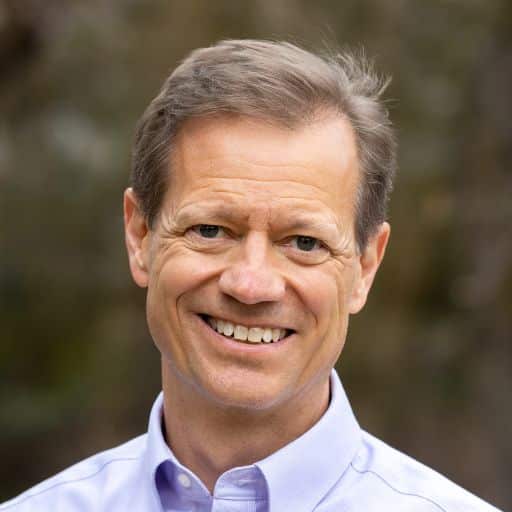
“Simply being intentional about the messages that we send to our students can help them feel like they can turn to us if they need to, and that promotes wellness and boosts learning.”
Get Involved And Share Your Learning
- Share your perspective. Throughout this course, you will see discussion prompts at the end of each lesson inviting you to share your thoughts and experience. We encourage you to respond to these discussion questions and read those of other educators to benefit from theirs. When you see a comment you agree with or find helpful, hit the ‘Like’ button to help other educators find it. You can also reply to any comments from other members that you find interesting.
- Ask a question. You can ask questions of experts and other educators in the discussion threads in courses.
- Pick up your course badges. To earn your Course Completion Badges make sure you mark all lessons as ‘Mark Complete’ once you have completed a lesson. At the end of the course, click ‘Mark Complete’ and you will be asked a few multiple-choice questions to earn a Course Completion badge. Once you’ve had a chance to apply your learning, come back to complete an Impact Badges by applying what you have learned in the courses and answering a short survey.
If you have any questions or issues, please email us at [email protected].
Hurd, N. and Zimmerman, M. (2010). Natural Mentors, Mental Health, and Risk Behaviors: A Longitudinal Analysis of African American Adolescents Transitioning into Adulthood. American Journal of Community Psychology, 46(1-2), 36-48.