

Supporting Adjuncts: Creating Sustainable and Practical Solutions

Anna Conway
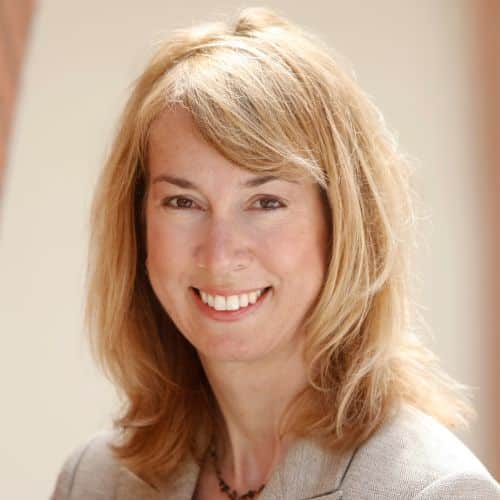
Adrianna Kezar

Daniel Stanford

Click here to open or close the video transcript
– Well, hello everyone. Welcome to this webinar on supporting adjunct faculty. I’m Niya Bond, the Faculty Developer here at OneHE, and I am thrilled to be joined by our three esteemed experts, Adrianna Kezar, Daniel Stanford, and Anna Conway. Thank you to the three of you for being here today. If it’s okay, we’ll introduce you as I see you on my screen. And that means, Anna, you are up first. Tell the community a little bit about yourself, please.
– Yes, thank you very much for inviting me again to this important topic and a great organization that you represent. So my name is Anna Conway. For seven years I served as Director of Teaching and Learning in a community college, where I led adjunct programs that I designed based on research for great groups of adjuncts. I had two or three groups every semester in different tiers of adjunct programming. So my passion for supporting adjunct problems, adjunct faculty, stems from my work with adjunct faculty. I have also published my thoughts and research and also just findings and best practices in Inside Higher Ed and other national and local to Iowa, I live in Iowa, organizations, and throughout that experience, I’ve also been able to connect with other colleagues who are passionate about supporting contingent faculty such as Daniel, such as Adrianna. And so it’s a great honor and joy to be part of this important conversation.
– Well, thank you for being here. Daniel, you are up next.
– Hey everyone, so I’m Daniel Stanford, and for many years I worked as the Director of Faculty Development and Technology Innovation at DePaul University in Chicago. I left that position in 2021 to move closer to friends and family down south. So I’m currently based in Atlanta, Georgia, in the US in case we have anybody here today from outside the states. I’m working as an independent instructional designer and faculty development consultant now. And I also teach courses as an adjunct. And when I teach, I typically teach user experience design and graphic design.
– Amazing. Well, welcome and Adrianna.
– Hi everyone, I’m also really happy to be here with Anna and Daniel, Niya, and I’m a professor at the University of Southern California. And my research area is higher education, change, and leadership. I’ve been doing that work for close to 30 years now. I started as an adjunct instructor at the George Washington University, which started my interest in this topic. But it also stemmed from my work on institutional change where as I explored sometimes challenges and barriers to change, that people would say, “Hey, it was really hard to implement this new math curriculum because we have, you know, faculty that are shifting semester to semester” and really started to explore the experiences and working conditions for what I call VITAL faculty, because the both part-time and full-time contingent faculty are so vital to our enterprise. And so just started on a journey where I’ve been doing research and now created an advocacy organization called The Delphi Project on the changing faculty and student success that it’s aimed at supporting faculty that are off the tenure track, and being as, you know, thriving as they can within our institutions.
– Well, wonderful, and I really appreciate you introducing that term VITAL to us, because as an adjunct faculty member myself, that feels really empowering and important to look at it through that lens. So thank you. I know we’re gonna talk about some of the common challenges that are out there when it comes to adjunct faculty, but I was hoping before that we could just have a conversation about why adjunct support is so critical. You know, why are you all devoting your time and energies to this important effort? And maybe we can start with Daniel.
– [Niya] Oh, well, somebody else unmuted first and now I want the eager person to go.
– Oh, well please, yes, let’s just do it naturally.
– All right, Daniel, thank you. I wanted to also mention that my current role in the community college that I work as as chair and I have three departments under me. And one of the most exciting part of my jobs is actually working with adjuncts and finding ways to support them. And so I think what’s so important is that no matter, you know, what position you are in, that we find a way to connect, network with our adjunct faculty and ways to retain them and ways to support them so that they stay happy. Because we know from research, and Adrianna is such a great author in research, and I’ve quoted her million times in my works, so Adrianna, kudos to you for all the work that you’ve been doing for contingent and adjunct faculty. But we do know from research that engaged and supported adjunct faculty are much more likely to influence student learning in a very positive way. And that leads to also improved student retention.
So anything and everything that we can do as like middle managed leaders, colleagues, supporters of adjuncts, that brings eventually to the mission of any institution of higher learning, which is all about supporting students and enhancing their learning experience. And adjunct faculty oftentimes teach more courses than full-time faculty. They may teach in more than one institution. So it’s absolutely critical that we continue support and continue these conversations during the very difficult political times. You know, when a lot of programs get cut and some institutions are merging or, you know, there’s so much change going on that usually the adjuncts are the first in line to take the impact ’cause they’re, you know, contractual. They work on a semester based contract, they’re really contractual workers in very direct terms, you know, that means that they’re the ones that usually have to take the cut if it comes to that. So what can we do to protect our adjuncts and support them as we continue working in our institutions of higher learning? Daniel?
– All right, so well now, now I wish I had gone first ’cause you had so many good things that you threw in there and how do I top that? I think for me, when I was starting out as an adjunct, it felt a lot like being thrown into the deep end of the pool with this little tiny life preserver, right? Or I had like rows at the end of Titanic. I don’t know how old the general audience is here, but I’m assuming some people here have seen Titanic. And in that situation, there’s really nobody there to tell you when you’ve done enough. Nobody gives you a guidebook that says, this is how much time you should be putting in, and this is when it’s okay to step back and set some boundaries and to say, “I’ve given enough feedback right on that fourth round of a draft or a vision, or I have set some boundaries around deadlines or something and it’s okay for me to stick to that, or this is where I need to be more flexible.”
And sometimes you’re also kind of isolated and just don’t have the same relationships with colleagues to get plugged in or feel comfortable asking for resources or tips. Sometimes there’s even like a territorial thing where other folks may have invested a lot of time to get their courses to the point where they are, and it might be awkward to ask for extra support from those folks. So in working on the staff support side, as somebody leading faculty development and supporting full-time an adjunct faculty, I feel particularly passionate about not just helping folks figure out how to level up their teaching or grow, but also to help them know when it’s okay to say, “I did fine. Maybe it was a B plus this semester, or maybe this course, this particular course was just a B plus this time around for me as an instructor, but that’s okay. And I can’t do everything all the time.” So helping them prioritize is something I really like about the work that I get to do.
– I’ll just add on a few points that haven’t been mentioned. Our largest group of faculty in majority, so that’s really important. Tenure track faculty have a ton of support, but we think that suddenly if you’re off the tenure track, you don’t need support. So our campuses are designed in ways that lend support to one group and not support generally to another, which doesn’t make a lot of logical sense, does it? So I think just having that recognition. Thinking about the fact that this population teachers, generally, are some of our most vulnerable populations and some of the most difficult courses teaching in remedial education, general education courses, they’re teaching like some of the most impactful and important courses yet often get the least support seems to be another reason. And just in general, we’re not gonna meet our mission if we’re not supporting, again, the largest group teaching the most important courses. This is, you know, as you know, Anna used so well, you know, put out the most important reason for this. It’s to help us meet our mission around student outcomes, student learning, and if we don’t do this, we are failing at our missions.
– Yeah, I appreciate all of your contributions. I think that naturally helps us segue into some of those common challenges that, you know, you brought up as we were also talking about the importance of this diverse population of faculty and how to create kind of equitable support systems for them. So Daniel, if you would, what are some common challenges that you’ve encountered, especially, you know, in your support role designing faculty development programs for adjuncts?
– Sure, so I gave this some thought, and I think that a lot of the common challenges I’ve run into fall into three general categories; scheduling, community building, and curriculum design. And when I say curriculum design here, I mean the design of the course materials and the activities, whatever we want faculty to complete as part of a quick one-off training or something that might be more formal, like a certificate program that requires weeks or months to complete. With scheduling I think a lot of folks know where I’m going with that. We know adjuncts, as Anna mentioned, they may be teaching at multiple institutions or have full-time jobs. It can be hard to figure out what a reasonable workload, you may hear me use that term a lot today, right? What enough looks like when we ask them to set aside time for professional development. It can also be challenging to schedule synchronous check-ins or other events, especially if you want lots of adjuncts or maybe even just three or more adjuncts to all get together at the same time because of those scheduling challenges. And I think this also sort of relates to community building, right? Because we think of getting them together in the same physical space or at the same time online as a way of community building. But we know that there’s also other components to that community building challenge.
So some adjuncts may not be on campus as often as full-timers. They might not have dedicated office space or they might not be included in certain meetings or committees. So they might feel more disconnected from colleagues or from the institution as a whole. But the third issue, the curriculum design challenge, is the one that I’ve really been focusing on a lot lately because I’m working on a redesign right now of an adjunct teaching certificate program for a client of mine. And I find that sometimes people will get excited about developing a completely custom, fully internally developed new certificate program or redesigning one. But there are a lot of big questions that this leaves, like, who is going to write all of those lesson materials and who’s gonna make all these exciting new videos and teaching tips and guides that somebody dreamed up in a big brainstorming meeting, where we all got really excited and felt optimistic. So when you’re left with that, sometimes we tend to pivot and say, okay, well should we look into external resources, external certificate programs or external speakers or trainings? But a lot of times we’ll find that those might be cost prohibitive or they might be too rigid in terms of scheduling or have a one size fits all approach, where we can’t customize things as much as we’d like to.
Now, as a sort of, I dunno if it’s splitting the difference is the right term here, but as another workaround, sometimes I’ll see institutions address this by buying one book for a bunch of adjuncts and treating their faculty development offerings more like a book club. And I get why we do this, right? It addresses some of the issues I was just talking about, but sometimes it just winds up feeling like we’re throwing some 200 plus page book at adjuncts as they’re rushing out the door to one of their many other commitments and it just leaves them feeling overwhelmed. I’ve found in most situations, faculty just want someone to curate the best of what’s out there for them. Maybe include some footnotes, right? We need credibility and we need to let them know that what we’re telling them is based on real evidence and there’s research to back up what we’re recommending, but they really want, you know, bite-size lessons and practical tips and examples that they can start using right away in their teaching. And this is a little bit of a shameless plug for One Higher Ed or OneHE, but I’m not, I’m not being paid to say this. This is one of the reasons why I’ve been leaning into using a lot of the OneHE resources in the faculty development programs that I’ve been working on lately.
– Well, I appreciate the plug. You know, as you were speaking, I did think about the bite-sized elements, and how myself as an adjunct that is vital to my professional development and continued growth. So thank you. Now Anna, you have a perspective potentially from a community college. Are you encountering some of the same hurdles and challenges? Different ones? A little bit of a mix of both?
– Yes, a little bit of mix of both and thank you Daniel. You covered so many important areas and you know, I think those are the areas that we can share across institutions, across, you know, modalities. Lack of space, lack of support, lack of budgeting, and you know, book clubs that are good on paper but in reality, how much of an impact does it make? You know, so what can we do? And so the barriers, if I may speak for the community college side of thing, and we know this from research on the post-pandemic trends, you know, some of the research that I’ve seen is that we’re still having a very increased reliance on part-time faculty without adequate compensation and without inclusion in the academic decisions. So they oftentimes, like Adrianna said earlier, the voiceless majority, the vital voiceless majority that is teaching and you know, doing all the work on our campuses. So in community colleges we are facing a lot of pressure right now. There’s a lot of state legislature, there’s a national and federal funds that support a lot of programs, where our adjuncts teach that are sometimes, well, as you have heard right in the US, a lot of things are going on and politics does impact, you know, their everyday survival. And so we are constantly on the alert that we may lose this program or we may need to merge this program. And so what does that add? It adds more vulnerability to, you know, the adjunct population because oftentimes the full-time faculty have the support and resources, kind of what Adrianna said earlier, but adjunct faculty don’t have that assurance that their next paycheck or next semester they will have a paycheck teaching in a community college.
So I feel that I need to stress how vulnerable the staffing appointments are for adjunct faculty. And also just the important statistic that I think will also paint the pictures that four in 10 adjunct faculty in the United States need government assistance. They don’t make enough to survive. And so I just wanted to kind of honestly share that this is a very stressful time for teaching part-time, but they often, like I said, teach a lot more courses and do a lot more than a full-time faculty. And so we know that they are key contributors to student success. So the biggest challenge for community colleges right now is the vitality of programs, but also the vitality of faculty. And we have declining student enrollments, we have a lot of, you know, political unknowns. And yet I think the most important thing is that college leaders stay consistent with the way they support their part-time faculty and the way they continue and encourage and maybe send messages that affirm the need, the importance of part-time faculty and their voices within their institutions and within their campuses. So later on today, I would like to share a couple of tips if that’s okay. You know, what are some of the practical things we can do in community colleges and some of the things that I’m doing within my three departments with my adjuncts, just to find some encouraging practices and maybe find ways to, despite all the things that are out of our control, right, there are few things that we can control. And supporting adjuncts is one of the things that we can still do.
– Well, I really appreciate that. And of course, you know, we’ve talked about systemic and structural, social, cultural, even political issues, but we can still take steps to support this important and diverse population. And I’m wondering, Adrianna, if you can talk to us about any challenges, whether they’ve been covered already or not, that vital part-time faculty face that maybe, you know, not everyone’s aware of or that aren’t on our radar.
– Yeah, and I really wanna thank Daniel and Anna for raising some really critical issues and Anna going in that direction of the valuing and things we can do around, you know, the kind of the culture, climate and respect. They’re so critical that present a different kind of challenge there. You know, Daniel, you really brought up like the really practical right challenges, but there’s these sort of also more climate existential kinds of challenges. And I’m gonna build on both of these sides of them. On the practical side, we have many VITAL faculty who have tons of experience teaching. I think there’s sometimes an assumption we’ve gotta help them with teaching, but some of them are really expert that isn’t necessarily what they need. It’s more about that they may not understand some of our technology systems or who our students are or the learning goals of our program. So sometimes we need to think of what is it that that you know, they need and not assume they may not have excellent teaching skills, but some of them are more expert than our tenure track faculty members. But some are doing this, I would call it more in the traditional line of being an adjunct where they’re just teaching one course. This is lesser, you know, that used to be the tradition, it was somebody who had a full-time job in say journalism or law or some other area and they’re just coming and they don’t necessarily have the teaching experience, right? So they’re coming with some of the more practical knowledge, but they may not, or it’s been a few years since they’ve taught or they come in and out of teaching or they don’t know about these new evidence-based teaching practices. So we have two really very different populations.
And so just even understanding that, knowing that as we’re thinking about supporting faculty, I mean, do we even know them well enough to know who needs more support on teaching, who needs maybe more support on understanding some other sort of factors or conditions around our institution? So I think that’s gonna get to some of the comments I’m gonna talk about later about just even collecting data and knowing your VITAL faculty well. The other building on what Anna said about the psychic burden, often of going to multiple institutions, the small things that we don’t even think about, like not giving them any instruction or support on like parking can that can throw you off. You’re like 15, 20 minutes late for class. I mean all of these kind of, I’ll call them tiny things that they’re like just become like a real overload over time though. So thinking about other kinds of support that go outside of the teaching support, which is just the navigational kinds of qualities when you are, you know, just let’s say you’re teaching on three different campuses, what are the different you know, the academic policies at different campuses and you know, what are the expectations of that campus versus another? So I think just knowing, like thinking about the fact that they may be teaching at multiple campuses and like how do you make it this kind of quick study? I think to Daniel, to your point, like, like what’s it like a quick refresher for me now that I’m on this campus about what their policies are and who their students are and what their learning goals are in this program can be really helpful to, you know, fight a faculty who are, you know, coming in and out. Like just understanding that challenge or burden of coming in and out of institutions I think is really important. I just wanted to build on the earlier conversation.
– No, I appreciate that point. And as an adjunct who teaches at multiple institutions online, you know, some of what you’re all talking about, even though I think the online space is really empowering for me and many learners is exacerbated by, you know, that transactional distance, if you don’t mitigate it and aren’t intentional about it, all of the things that you’re talking about kind of can get exacerbated there. Well, we’ve talked a little bit about some common challenges. Now let’s talk about how to overcome those and really be intentional about the support systems and structures that we can put in place for adjuncts. Daniel, you know, you talked earlier about scheduling and community and you even mentioned workload and responsibility. Can you tell us how support fits into those categories?
– Yeah, sure. So, to further drive home Adrianna’s point that I am the very practical, specific details, I’m here with with the very practical tips for anybody in this webinar, who supports faculty and is trying to plan a specific training program or workshop or internal conference or whatever. I’ll give you a specific example of something that we did recently that people were kind of skeptical about at first, and I think as a microcosm of a larger set of things you could question, right? So when I was working with this client to redesign some of our faculty development offerings, they had never tried, or at least not recently, they hadn’t really tried offering things outside of normal business hours. And we had that debate that I’m sure so many folks have had about trying to find the perfect day and the perfect time for a live event, even an online event where people didn’t have to come to campus. And I pitched this idea of doing it after dinner, ideally after the time when people with children or caretaker responsibilities have put those kids to bed, dinner’s done. And that might be as late as say 8:00 PM and there was some skepticism, I was also a little worried ’cause I wasn’t sure if this particular audience at this institution, if that’s what they needed. So we ran a few test workshops and we had a pretty good turnout. But the thing that was really interesting was how appreciative and vocal the faculty were who came to those evening sessions about the fact that they felt included just because we did a re-offer of these daytime workshops at a time that worked for them.
So then we decided to go a step further when we redesigned the Adjunct Teaching Certificate program. With every check-in meeting, we offered a midday option one day of the week and another week night where they could come at 8:00 PM. And again, we saw a pretty even split. We still had some adjuncts who came in the middle of the day, but the folks who came in the evening were so engaged and were so appreciative. And I heard from multiple sources that it really went a long way to make the whole event, the whole certificate program more accessible for folks and to build community. So that was a really nice surprise and it’s a good example of something that I’m not here to tell everyone. 8:00 PM is the magic number, right? But don’t be afraid to do little experiments, you know, start with something small and meet folks where they are. I think that that’s a big part of it. Another thing that I’ve run into as a practical solution is what we were talking about earlier with bite sized micro learning. However small your little chunks of learning are, whatever you’re doing to chunk that stuff, think one bite smaller than that. Because if you look at some of the resources in, for example, in the OneHE content library, a lot of those mini courses are broken down into tiny, tiny videos that are sometimes just a few minutes apiece, usually under five minutes. And when I was going through some of that content to sort of preview it for faculty, it felt so doable. Even if that micro course or the series of micro courses we were planning added up to several hours of total content or a big time commitment in total, the progress indicators and those little moments where I could check, check a checkbox and call something done and see that bar fill up and know that I was moving closer to that badge really provided me and I definitely think for busy adjuncts, the motivation to know that there was a light at the end of the tunnel and that they were making progress.
– Well, wonderful, I appreciate those tips and I really loved what you said about meeting them where they are. I think that goes for any educator, but it seems especially important in our conversation today. Now, Anna, you talked a little bit about campus support and all the intricacies that are involved in that. Can you tell us maybe what specific questions institutions should be asking and answering to effectively evaluate and enhance the support that they’re providing to adjunct faculty?
– Yes, absolutely. And Daniel, I really appreciate what you had, you know, what you shared, because oftentimes people think that scheduling is one of the last things that you would have to worry about having, you know, been granted an opportunity to do the training, but it’s actually the small things, kind of what Daniel and Adrianna were talking about that make a huge difference. So if you look at supporting adjuncts from a more organizational side of things, one of the first things that I would recommend doing is find your people. And let me explain what I mean by that. You know, every institution has their own setup, hierarchy, you know, power set up roles, rules, et cetera. So I would start with a more holistic question and ask, who are the key stakeholders to support adjuncts? Who are the key stakeholders in your department, in your campus, maybe within your entire institution that will include adjunct voices at the table. And it doesn’t always have to be the top exec leadership. Sometimes it is, it’s great when you know, Vice President for Academic Affairs is invested in this, but oftentimes it is also middle level or just faculty colleagues. So finding your people is kind of like a big step forward, I feel, because then you have agency and you have support and representation. And then what’s very important to me is to also look at some of the existing practices and norms that you are currently, you know, using within your institution to operate.
So for example, in the past when we had faculty meetings, adjuncts were not invited because that’s just never happened, right? Or when the survey was being sent and it was an important topic like assessment or community engagement or something, again, it went out to full-time faculty. So those are very small things that make a huge difference and kind of looking, you know, at not only the key people, but some of the norms and existing practices in your institution that you may want to revise eventually. And so, you know, having the opportunity to lead three departments in my institutions, what I started doing is monthly meetings with adjunct faculty and they don’t cost very much and they have virtual meetings and I have three departments. I don’t have the entire, you know, institution but still, you know, 40 to 60 faculty. And so one of the things that I would definitely talk to my people and my people here, I’m talking about chairs, I’m talking about deans, associate deans, you know, is that we have some budget for meeting and conferences, right? So in other words, it’s very hard for a dean to say no, you know, to a $30-$40, you know, pay for one meeting for an adjunct. And so then it kind of becomes part of your culture that you absolutely pay your adjuncts to attend a meeting. And oftentimes I try to provide the voice to our adjuncts and talk to them and ask them about their current, you know, rewards and challenges. And oftentimes I find out that somebody needs a laptop or someone else may not have enough of publishing – copies of a textbook from a publisher. So asking for specific teaching needs and other needs during the meeting is something that I’ve done that’s like a small part, but I think it makes a big difference.
Another suggestion that I came up with was asking those who are interested to do peer review of each other’s courses. So this sounds like a big thing, but it actually is just an opportunity for adjunct colleagues to sit in or visit each other’s teaching spaces and then connect, you know, about it. And I found so much benefit to doing that because they shared that they network, they learn from each other and I’m able to support them as paying them for the meeting you know, time, again, it’s not a big investment, but it’s something that is very, very important that we, you know, acknowledge their time, but also able to, you know, find ways for them to continue investing in their teaching. And they love, you know, peer review and you know, I would definitely encourage, this is a very small initiative to offer is that you visit each other’s classroom and then you have a conversation and the department will take care of the time that, you know, that you spend discussing. Local conferences, you know, is another negotiation term. Once you find your people, you can ask how many people would you support if they go to a conference that’s 25 or 50 miles away. Oftentimes you know, they’re much more affordable. And so being that advocate and kind of locating this, you know, local conferences or events, sometimes it’s just meetings and being able to pay for their mileage or pay for their registration is another small way to build that community and find, you know, and help them find their voice within the department. Offer recognition any way you can, offer, you know, that’s something that, I know I’m repeating myself here, but if you can, you know, showcase someone’s teaching or somebody published a poem, you know, or there’s so many other ways that knowing your faculty means also knowing how to recognize them.
And the last point that I wanna make is more on the administrative side, but I think it might be helpful. Many of us in leadership roles, we’re also asked to observe and evaluate our part-time colleagues as part of our job description. So using those opportunities, you know, and sometimes or we meet with adjuncts because there may be a student complaint or you know, there may be another reason, like a challenging of their teaching situation. And so use those opportunities as a reward and opportunities to connect and help them become better educators. They may be already great and there was just one student, right, that didn’t find something that they’ve done useful, and it came to the level that we had an opportunity to meet. And so for me it’s always connecting them with our student support, with our instructional designers, with other professionals that can enhance, you know, the portfolio, the teaching of that adjunct faculty. And so, it’s the small ways that I think make the big difference and just throwing in an online orientation and saying that we support our adjuncts is not enough. Find other ways and those ways can be small, but they’re surely impactful.
– Well, thank you so much, and I really appreciated your point about how even small changes, small intentional outreaches can have a huge impact. And so even what we might consider like smaller grassroots opportunities can be so important, but so can more formal, broader initiatives like Adrianna, The Delphi Project that you mentioned earlier, could you tell our community a little bit about that and how it can help with the vital faculty support?
– Thank you, Niya. Yeah, so I put in the chat the link to the overall project, and it is a research leadership and advocacy project. So it’s aimed at both conducting research, but also synthesizing existing research that has been done in support of VITAL faculty to bring awareness to the challenges that we have mentioned, the experiences, to give voice to, I publish a lot with VITAL faculty, and to also to demonstrate what good practice looks like, what support looks like and how – and one of the things we’ve done in recent years beyond the research – is also to give an award. So The Delphi Award is given to campuses that provide really good support for their VITAL faculty. And in fact, the award will be, of applications will be due at the end of June. We have amazing case studies now up there. So if you’re interested in trying to see what does really good support look like, we have had 12 winners of the award now. We have finalists and their profile’s up there as well. We have case studies of, you know, about 15, almost 20 now I think, institutions that have designed really strong, professional development and wraparound, which is one of the things I wanted to mention is we do research on how we design really strong, accessible and inclusive professional development.
And I just put the link into a report that we did with campuses studying ones that specifically designed their professional development for the needs of VITAL faculty. But just the idea that, you know, often in all of my research, I keep finding that if you don’t have the connection to broader institutional changes, you’re not gonna have the uptake and engagement and real benefit of the support of professional development unless you’re also thinking about some of the things that already even mentioned your evaluation system, your awards and rewards, your promotion system, if you have any, your pay. How does this support tie into the broader institutional system of supports for VITAL faculty? So that’s what you’ll see showcased in the research and the awards and real examples of how to do that in depth, you know, so I think the website just provides access to all those resource support. Everything is free and downloadable. So go to it. Please take advantage of all the resources, share them widely with anyone you also know that is, you know, doing this important work to support VITAL faculty. So I think and I could just, if it’s okay, just share a few of the things that we’ve learned in the report that I posted building off of the wonderful things that have already been said. One of the things that is so important is to conduct a needs assessment because, as I mentioned earlier, we often make assumptions about the needs of our VITAL faculty. They’re so different on different campuses. You might go and hear somebody here give in their presentation some advice, but that’s specific maybe to their campus and the VITAL faculty they work with. And that’s not gonna be what’s needed at your campus.
So I think we found that one of the most important things is to start with a needs assessment to find out, you know, how much teaching experience they have, what are the things they are struggling with, and that can be different on different campuses. And you know, we found that most campuses, you know, start with or do offer, I’ll call it some ‘just in time’ training sort of workshops, but then they really moved to other deeper experiences, other types of experiences. Anna was mentioning, say the, you know, conferences, but also thinking about, like, all day institutes that are in between class sessions. Daniel, you were talking about the importance of community and Anna, like how do we build relationships and connections? Well, sometimes like a one-time workshop or something quickly online isn’t gonna do it, but if you can once a year kind of bring people, you know, the VITAL faculty together for some kind of institute, they can build relationships. We studied, in particular, professional learning communities that were, or faculty learning communities, that were offered often online or sometimes in a hybrid fashion that were shortened from traditional one year programs to semester long programs that fit the schedules as Daniel brought up the difficulty of schedules that you have to plan for. But, I think, what what we found is they planned multiple kinds of professional developments thinking that at different phases of a career, VITAL faculty can be around for 12 years, and they’re gonna need something different from when they’re starting up their teaching. And so that, just thinking about, again, VITAL faculty tend to be around longer than we expect. So just offering the same kind of thing all the time you know, isn’t going to be useful or helpful. All of them were modified, you know, using the needs assessment to think about the mode, the length of time, the facilitation. Some of them said like, you know, like of an experience like the, sometimes it’s really great to have like either another VITAL faculty member as co-facilitator or the facilitator, but other times they don’t have time to do it. So like taking that, having a, you know, a professional staff do that.
So just modification of whatever the professional development experience is based on the needs assessment, how you’re finding out what those, what those needs are in all those kinds of spaces. So what modality, again, online versus hybrid versus in person can work for groups. And then we heard so much that I’ve already mentioned about the wraparound, like how it connects to the boards and recognition and newsletters and certification programs you might do, but also just thinking about your partners of the things we haven’t mentioned across the campus is like, how do you work with others to build professional development that’s gonna be most meaningful? And they talked about working with their faculty senates or faculty unions and kind of getting some of the voice of faculty, even if, again, the depending on, but vital faculty are often not included in some of those bodies, although more often sometimes in the unions. But then thinking about reaching out to department chairs ’cause often getting them involved with this, they will can encourage more of their faculty if they’re involved. So, sometimes if I haven’t heard somebody at my local level say it’s important to participate, thinking about your Centers for Teaching Excellence as partners, but, also sometimes offices of like community engagement, technology. Just other groups that can be in support of both recruiting people to come into the professional development, supporting the professional development in different ways. So just thinking about you can best design these things when you have partners across campus that you’re working with. So those were some of the other things that we heard about another dimension that build on others’ comments already.
– Well, thank you, and I think one, not exclusively, a common theme across what all you have shared here is that idea that this support can’t happen in a silo. There really are all these tentacles and intricacies that have to be considered to kind of build a sequenced and sustainable support system for adjunct faculty. And I appreciate all the ways that you all have thought about that complexity. We’re doing something new at OneHE, which is where we try to talk about joy related to the timely topic that we’re all engaging with. And I was hoping that maybe we could combat some of those deficit driven narratives, which are still out there about adjunct faculty, even though we know they’re not true. And talk about the joys of working with, supporting, or just what you’ve observed, that adjunct faculty contribute. So Anna, if it’s okay, I’ll start with you. Could you just share one joy with us?
– One joy that I can definitely share is that adjunct faculty believe in reciprocity. And let me explain that. If you create a small thing, they will reward you with twice as many things with, be it a friendly email, a thanking you or somebody down the road would have heard about it. So the investment is so much worth it. And if you put your heart to it and you know, it always shows. So one thing I could say is that if you do it, do it with your, you know, full heart because chances are you’re gonna learn yourself and become better of a person by just this opportunity and amazing partnership that, you know, life has allowed us. So it’s truly an honor for me and a joy.
– Well, thank you. I love the idea of partnership and opportunity there. Daniel, what about you, a joy?
– I think for me lately, there’s this joy that you get, it’s kind of obvious when you meet with an adjunct who’s super excited, right? Who’s excited to go into the classroom and try something new. But lately I’ve been talking more and more to folks who are just really burned out. And I know it sounds like I’m not addressing the joy thing, but I’m going somewhere with this. And I’ve really been reflecting on how much of my job in those meetings is to validate the way that they’re feeling, to give them space to vent a little bit and to express even sometimes feelings of hopelessness or a feeling that everything’s changing too quickly. And then at what point is there a chance to shift? There’s usually an opportunity in there somewhere where you can hear that they’ve thought it through, they’ve said it out loud, and now they’re ready for a suggestion for something that might just make tomorrow’s class better or next week a little better. And I think that it doesn’t sound like a joyful thing, but sometimes I come out of those meetings and you can tell, or they’ll actually email me later and say, “Thanks, I really just needed somebody to talk to about that. And I feel a little more optimistic now that we talked it through.”
– Okay. I’m seeing opportunity and partnership again. So now we’ll go to Adrianna and see if these threads continue maybe. Well, I mean, what gives me pure joy since I love to see the way we as higher education can improve. And that’s why I study change. And what has been so impressive to me is it is the VITAL faculty who have on, you know, usually when we have these award winners who have led, they lead their institutions in creating these kinds of meaningful supports that can make them help the institution meet its mission. I mean that gives me like such, you know, it’s so impressive. And anything I think that we can do when we have interactions with VITAL faculty to boost the self-efficacy, they have self-efficacy, but they’re usually, you know, in a position in an institution to not feel like they can, but they lead, you know, when they’re given any space. That’s why I say we’re an advocacy organization because if I help them to see sort of the – the space, the ways that they can be their own self-advocates, they transform their institutions in beautiful and positive ways. And I hope to inspire more across the institution to lead with them, but it is really inspiring to see the ways that they do this work that, you know, has that end result that we all started with that helps support student learning, that helps everyone be better educators and for us to meet our important missions of teaching and learning.
– Well, and I love that that’s giving us space to recognize and reward those contributions and a space to contribute, you know, actively and agentically.
– We do have a question that’s in the Q&A.
– Yes, so it looks like, Anna, this one is for you. When you develop programming initiatives like peer observation, local conferences, monthly meetings, do you always pay the adjuncts who attend those meetings and participate? How much and who do you usually get funding from?
– Great question. Thank you for that question. Yes, I’m a strong advocate that we do compensate our, you know, part-time faculty for their time. It goes without saying and, unfortunately the system is kind of working against us because what Daniel said earlier, and Adrianna too, you know, they don’t have office space, they don’t have benefits. We don’t, you know, provide any professional development that’s built into their contract. But every leader in a campus community has a budget for professional development. You know, it might be your associate dean, it could be your dean or vice president, depends on the institution and the way it’s set up or the provost, but they do have, and that means budget for all faculty. It doesn’t only mean full-time faculty, because it just, you know, it’s a pot for everyone. So yes, we do pay. So I believe our adjunct, our part-time meeting rate is around like $19-$20 an hour, and I usually book a meeting that’s at least 90 minutes, sometimes more. And so, you know, I just go with specific, I have a list of faculty and I submit my list, and I say, I would like to do this. Do we have enough support for it? You know, local conferences, not every adjunct will be traveling or interested in doing that. So you wouldn’t be looking at massive, you know, expenses but if they’re presenting it builds up the case. I yet have to have, you know, a leader that tell me no, you know, turnaround. And if they do that I will go to another department and look for opportunities there. And that’s something that Adrianna talked about with those collaborations, right?
There is always the technology and the, you know, online distance learning side of things. There is also student support ’cause all together it’s one mission – it’s to make our, you know, institution better for the students to meet the mission of providing high end quality education. So I just think that we have to be advocates sometimes, you know, as chairs or just colleagues and find your people again, you know, talk to someone and say, “Hey, I don’t know where to find funding. What do you think? Well, who could I go to?” And again, I think it is such a difficult a conversation for an administrator to say, no, no, no right? So that’s something that I would encourage you to do is to try different people within your institution and advocate for them.
– I think I just wanted to build on Anna’s point earlier about at this particular moment, it’s so important for us to reach out and support VITAL faculty because there’re, you know, and there’s also kind of been these waves of layoff. There were layoffs during the pandemic and you know, so there was already kind of a dispirited, you know, sort of mood. And then this last year’s been extremely hectic for campuses. And so, in that, it can get easy to take a population again that can tend to be invisible and to not have them be a part of some of the assurances – I hear like some campuses are doing in person retreats, right? Something that may not be possible for VITAL faculty to go to. So they’re missing out on some of that signaling and support. And so how do you have an intentional strategy about reaching out and, in this moment, supporting VITAL faculty when they may not fit into some of our regular patterns of support that we have for, you know, tenure track faculty members.
– Thank you. I’ll leave it up to Anna and Daniel too if you have anything else to say.
– I was just gonna say, I think I struggle with this a bit, but I’m trying to figure out how to strike this balance between looking beyond compensation to provide ways to get faculty motivated and engaged and especially with part-time faculty to make them feel included and excited about the work that they do. But I also want to advocate for better pay and just for them to get compensated, like Anna was talking about, to get compensated for committee work or coming to a meeting or for all these ways that we blur the line sometimes for faculty about where their work responsibilities begin and end. I think there’s lots of institutions doing interesting work around this and you’ve probably heard at different conferences folks talking about things like having students submit letters of recognition for faculty, who have made a big impact on them and then sharing that with the faculty or doing some sort of recognition ceremony and little things like just printing those out. I’ve heard of institutions printing them and presenting them to faculty in a nice little envelope or a little gift box or something. I don’t want that to become a substitute for meaningful change around adjunct compensation right? But I think we can do both of these things at the same time.
And there are some days in my work where I only have one lever that I can pull. And if that lever that day happens to be, to just be a good listener and to have a meeting with somebody, who maybe other colleagues have started to dismiss as kind of jaded or cynical and to hear them out and say, “Oh yeah, it sounds really hard that your students just aren’t doing the reading.” Or what I’m hearing you say is that they just don’t show up to class prepared and you feel overwhelmed by all the factors that are influencing that or they’re all using AI to write papers and that must be really daunting, to listen to that and then provide a few practical solutions is great, but I wish we had more events where that sense of connection and empathy and grace was the primary goal instead of always treating it like a nice to have after we get through this giant agenda of technology training and compliance stuff and all these other things that we have to go through with them.
– I really like that idea of support being both and, and it feels like that is the way forward all possibilities at once, even though that might sometimes seem insurmountable. And Anna, I think you had something to say.
– Yes. A practical thing, Daniel. One of the things that I started doing as part of the meetings is oftentimes administrators don’t know the adjunct faculty. They never had a chance to work with them, to meet them, to know of their backgrounds or where their heart is. And so I started inviting a dean of online learning, I started inviting various administrators to our meetings and then when they get to, you know, experience and meet virtually with them, right, and they hear about some of the things that the adjuncts are talking about or if we have a topic and how they interpret the theme of the meeting, you know, that becomes a very real group for the administrators. And I think the practical tip here is that don’t be shy and invite some admin, maybe not for the whole meeting, but it could be part of your agenda. And then I think good things could happen because it’s all about building relationships and connections and building them connections. And overall, like a last tip is that invite your, you know, VITAL faculty to the faculty governance meetings, invite them to training options, to any opportunities that you may see their names missing from the invitation, you know, and if we can leave with one action items, maybe it’s just one adjunct faculty that you meant to reach out, but haven’t, and maybe after today you could send them an email and just say, “Hey, how are you doing? Would you like to connect for coffee?” Or just something that, you know, make an effort to include them. And they really are a wonderful community and we are very resourceful as institutions. We just have to sometimes make that first step.
– Well, I think that’s a lovely note to leave off on is just make the first step here, and if we all do that, progress will be had. I wanna thank you all for being here today with our community and for sharing your time and your expertise and wisdom with us. It’s been a wonderful conversation. I know our community, the members who couldn’t be here today are gonna enjoy watching this and following you all as you continue these important efforts to support this population of faculty.
In this webinar, Niya Bond, Faculty Developer at OneHE, moderated a discussion with a panel of experts on solutions to support VITAL faculty — Visiting, Instructors, Temporary, Adjunct, and Lecturer faculty. The panel addressed challenges faced by VITAL faculty and explored solutions that institutions and faculty developers can implement to better support them. This webinar builds on the Empowering Sessional & Graduate Teaching Assistant Faculty session.
The panel included:
- Adrianna Kezar – Director of the Pullias Center at the University of Southern California, who gave an overview of policies around adjunct faculty support and the changes needed to create fairer environments.
- Anna Conway – Pathway Chair at Des Moines Area Community College, who shared useful tips and resources for supporting adjuncts, based on her work with the POD Network’s special interest group.
- Daniel Stanford – Instructional Design Consultant, who spoke about his experience of developing a new adjunct training program at McHenry County College using OneHE content.
Useful resources:
- The Delphi Project – A University of Southern California-led initiative supporting change in faculty roles to enhance teaching and institutional development.
- POD Network – A community focused on professional development for higher education faculty, offering resources to improve teaching and leadership.
- Culver, K. C., Harper, J., & Kezar, A. (2021). Designing accessible and inclusive professional development for NTT faculty. Pullias Center for Higher Education, University of Southern California.
- Kezar, A., & Maxey, D. (2013). Dispelling the myths: Locating the resources needed to support non-tenure-track faculty. Pullias Center for Higher Education, University of Southern California.
- Conway, A., & Tobin, T. J. (2023). Adjunct instructors deserve training. Inside Higher Ed.
DISCUSSION
What’s one strategy or insight from the webinar that resonated with you or could help improve support for adjunct faculty in your context?
Please share your thoughts in the comments section below.